
WWE: Unreal Season 2 Review – Stacking Layers of Kayfabe Like Inception
After really enjoying season one of WWE: Unreal, I went into season two expecting more of the same behind-the-scenes context—more peeking behind the curtain without ripping it down entirely. I wasn’t expecting a scorched-earth exposé, but I did expect something a little more revealing than what we usually get week to week.
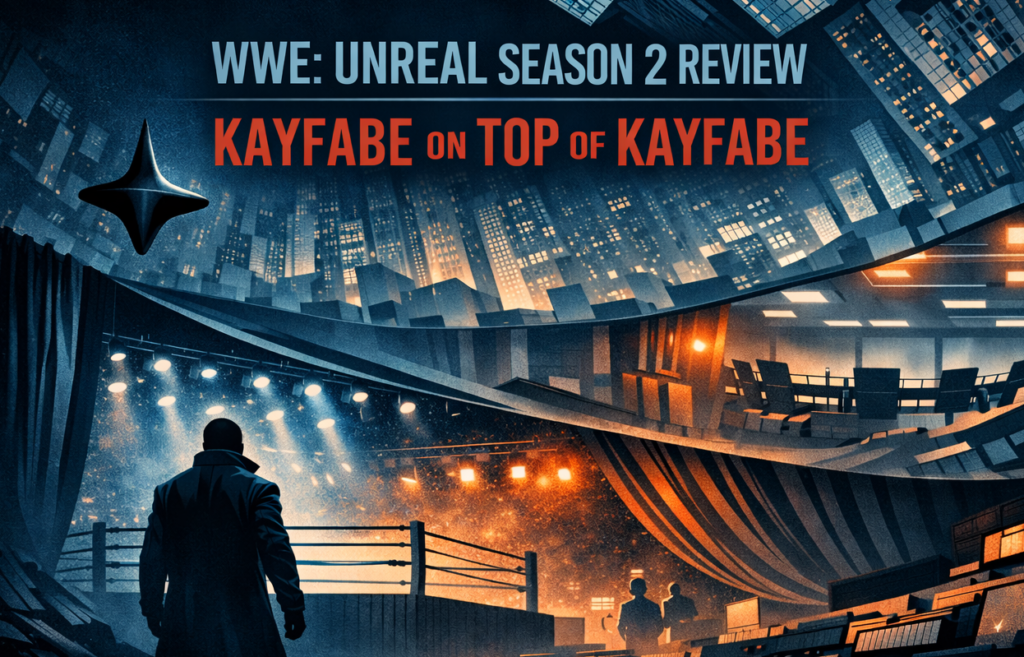
What I got instead was confirmation: this season of Unreal is less of a documentary about WWE and more of an extension of WWE’s ongoing storytelling. Once that clicks, the entire season—and I’d imagine future seasons—makes a lot more sense. This show isn’t breaking kayfabe; it’s pulling you into a deeper layer of it and stacking another layer on top as you go. WWE: Unreal is the wrestling version of the movie Inception.

Controlled Transparency
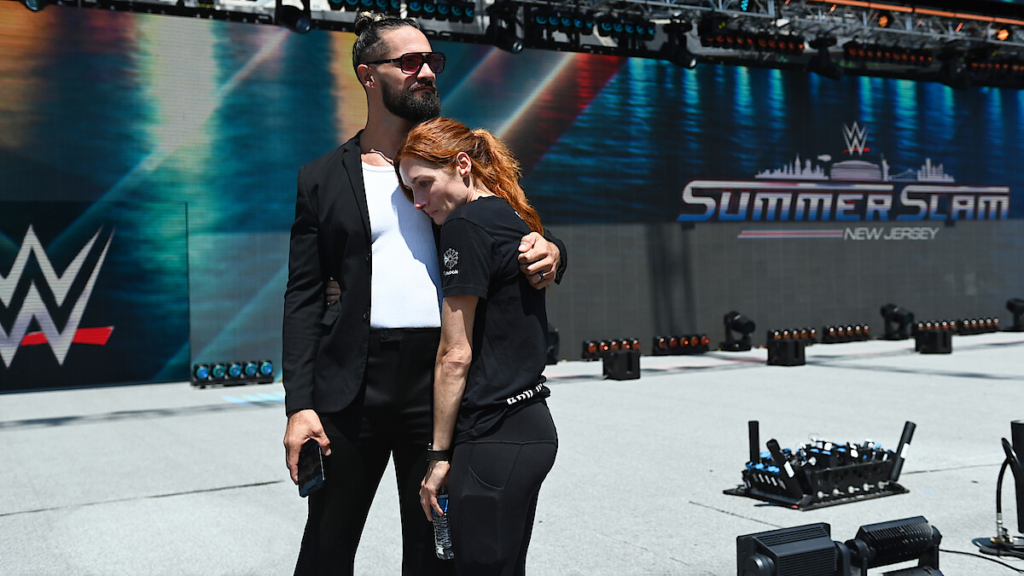
On the surface, Unreal promises—and even delivers—mild transparency. We get each wrestler’s real name, along with backstory on their stage names. We talk about real injuries. We see real emotions: the sadness of Lyra Valkyria and LA Knight when their matches don’t go as planned is nicely contrasted with Jelly Roll training for months and losing significant weight to ensure his special-guest SummerSlam tag match does go as planned.
We hear wrestlers speak openly about their long journeys into the business, and the pressure, fear, frustration, and physical toll they deal with to stay relevant.
But all of that transparency is negotiated.
The show pulls back just enough of the curtain to make you feel like you’re seeing something you’re not supposed to, while carefully avoiding the biggest fractures in WWE’s recent history. Some past controversies—such as Naomi and Sasha Banks’ departure—are acknowledged, but the fallout is nerfed ten times over. More recent controversies, like R-Truth’s “firing” (allegedly just a contract dispute), are present but kept mostly drama-free.
The truly controversial topics—LA Knight’s booking, Andrade, and The Rock—are avoided entirely.
That isn’t an accident. It’s the design.
Where the Season Works
Season two gets a lot right. The energy feels real. Unlike the show’s framing, the talent comes across in ways that don’t feel manufactured. Wrestlers like Chelsea Green and Penta—both of whom took long, winding journeys to get to WWE—become genuinely personable during their screen time.
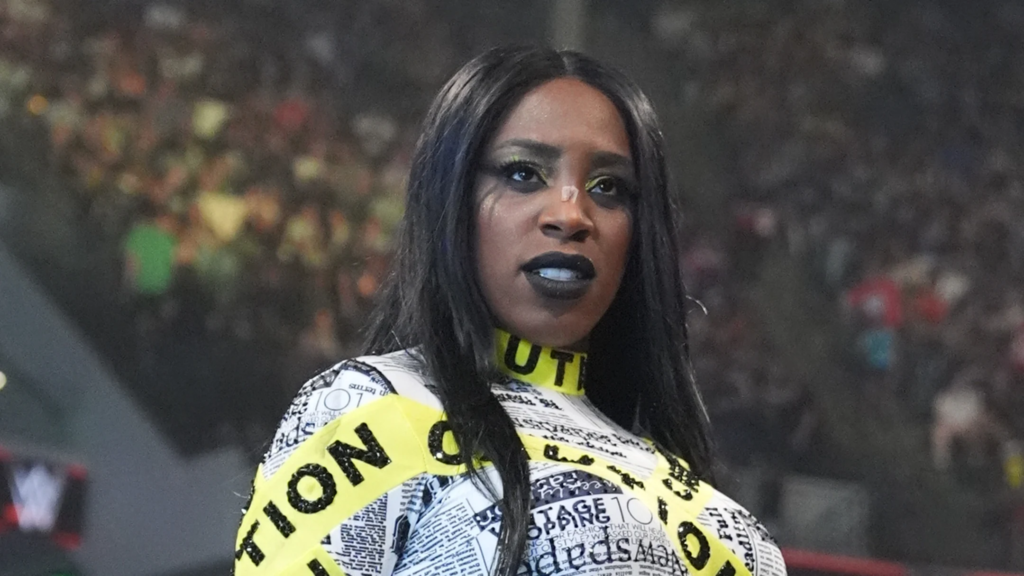
Naomi’s return is framed as a much-needed reinvention rather than unresolved conflict. R-Truth’s release and return are wrapped up with goodwill and applause. Everything feels good. No lingering discomfort.
Real stories—but also very safe stories.
Where the Silence Gets Loud
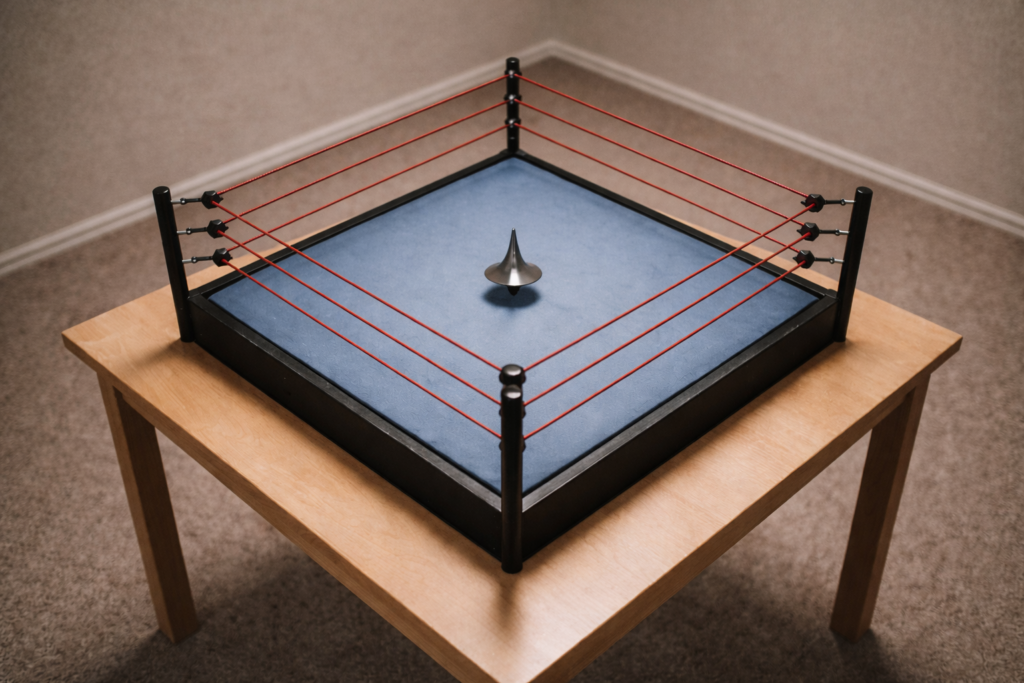
What WWE: Unreal doesn’t say is where the show becomes most revealing. If you pay attention to the silence, it becomes the spinning top that lets you distinguish the real world from the Inception-ized kayfabe world you’re being told is reality. And when that spinning top crashes into the table we call reality, it crashes loudly.
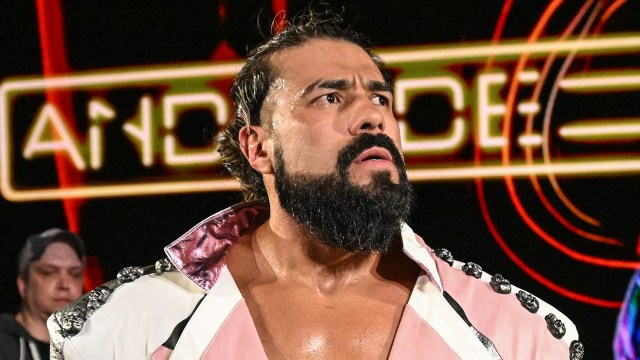
Andrade is the perfect example. He appears on screen, wrestles in a major match, and is even shown taking a ladder shot directly to the family jewels—but he is never name-dropped once. No explanation. Just silence. That omission is striking, given Andrade’s tumultuous 2025:
- A high-profile divorce from company darling Charlotte Flair
- Public verbal frustration with his booking
- No-showing an event and failing to return calls, leading to his release
- And most notably—something virtually unheard of in modern wrestling—appearing on AEW television while still under WWE’s contractual non-compete clause, sparking weeks of legal speculation
Because of this, Andrade stayed in wrestling headlines throughout the year. Unreal, which positions itself as a transparent behind-the-scenes look at WWE, simply pretends none of it ever happened—apparently too messy to touch.
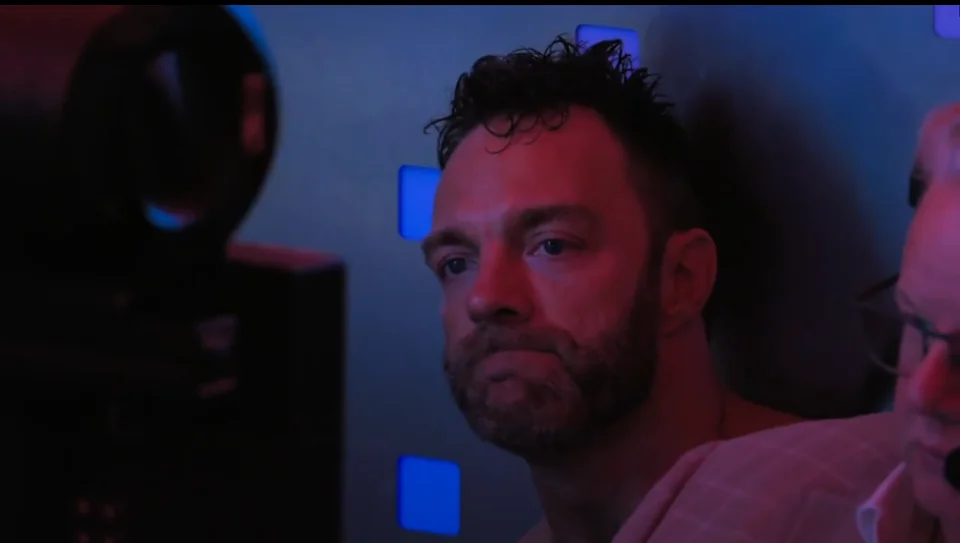
The burial of LA Knight is just as loud. When the Money in the Bank finish goes sideways, we’re shown producers openly frustrated. This is followed by LA Knight sitting silently backstage, dejected, as Triple H delivers a lengthy lecture. It quietly explains why Knight’s momentum stalled and has yet to recover.
LA Knight’s fall from grace was one of the fandom’s biggest discussions of 2025—why WWE cooled off one of its hottest acts. This moment answers that question without ever acknowledging the controversy WWE’s stance created.
But the loudest silence of all surrounds The Rock.
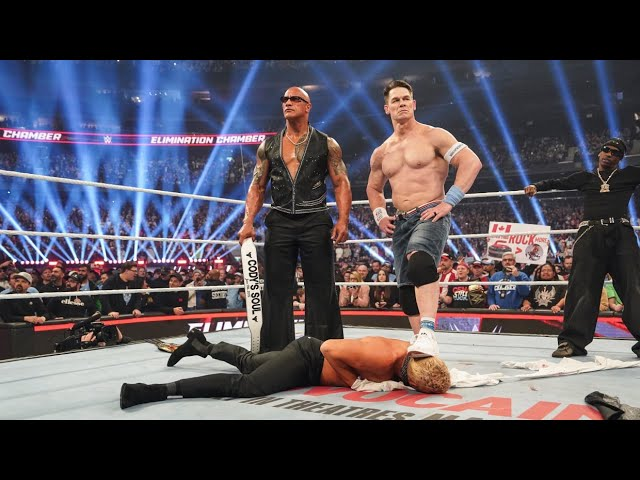
WWE: Unreal completely sidesteps The Rock’s absence from John Cena’s 2025 heel turn through WrestleMania 41—one of the most talked-about behind-the-scenes stories of the year. After the “Final Boss” seemingly helped orchestrate one of the biggest heel turns in wrestling history, he simply vanished from TV.
Given how heavily WWE leaned on Rock’s presence heading into WrestleMania season, pretending this never happened feels deliberate. Rumors of decades-old real-life tension between Rock and Triple H were never discussed. Since Rock’s absence can’t be cleanly explained away, under the rug it goes.
And again, that’s the recurring theme.
Unreal is only comfortable showing real controversy when it resolves cleanly. Redemption arcs and misunderstandings are welcome. Messy stories—those that linger, fracture trust, or expose internal power struggles—remain off-camera, even when this would be the perfect time for a tell-all documentary to actually tell all.
Which is exactly why, for better or worse, the dirt sheets still exist—not because they’re always right, but because they’re often the only place unresolved stories are even discussed.

The Dirt Sheet Contradiction (Pick a Struggle)
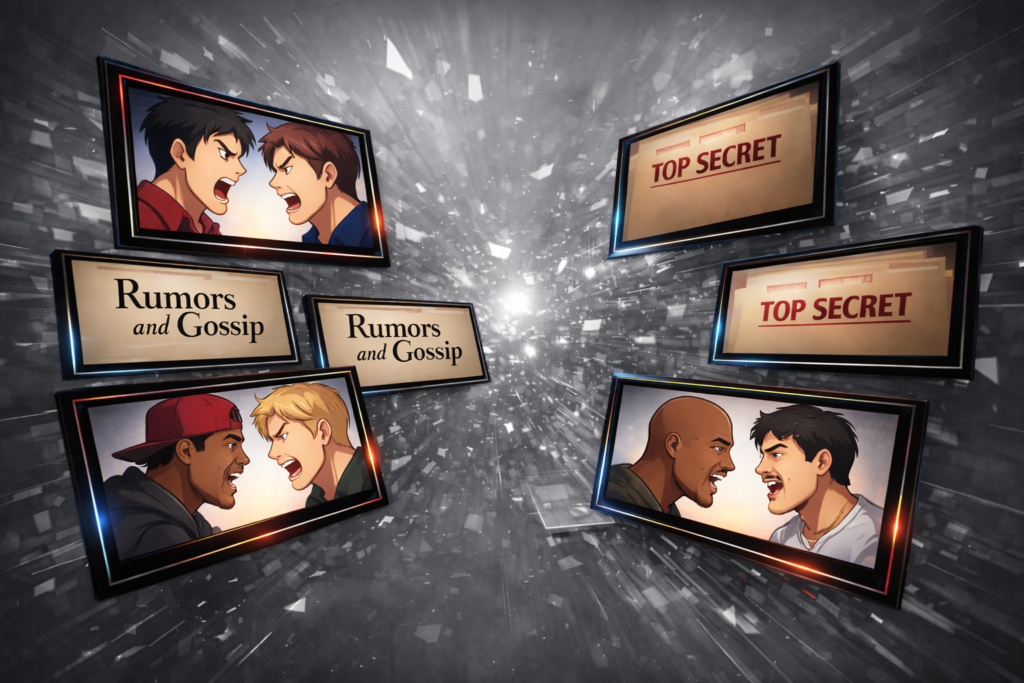
Speaking of dirt sheets, criticism that Unreal is “revealing too much” starts to get ironic. The same fans who hate on the show are simultaneously devouring dirt sheets, rumor accounts, YouTube breakdowns, and “sources close to creative” 24/7.
How can fans complain about Unreal revealing too much in one sentence and argue about the latest Dave Meltzer rumor in the next? Don’t dirt sheets and insider tips also break kayfabe?
They do.
In fact, they create a different one—a world where insider tips fuel fantasy booking and false hope. When those rumors don’t pan out, fans flood X (Twitter) and Reddit, angry over outcomes they gaslit themselves into expecting.
If you hate Unreal but love the rumor mill, pick a struggle.

Final Verdict
I liked season two of WWE: Unreal once I stopped expecting it to expose wrestling’s darkest secrets. The show is controlled transparency, neatly folded into WWE’s layered kayfabe—another chapter designed to boost interest and keep the conversation going.
If you want raw, unfiltered dirt, the IWC rumor mill will always be there.
But if you understand that wrestling has always been a magic trick, Unreal is here to show you what’s up the magician’s sleeves without letting you see the mirrors, the trap door, or that the totem is still spinning on the producer’s table.