Hard to Believe…
The other day I was on a hip-hop subreddit and somebody asked a question” What artist would you call a “one-album wonder”? Not a one-hit wonder, but someone who only dropped one great album and then disappeared.
My brain immediately shouted Lauryn Hill.
Now, if you’re old enough to daydream back to the late 90’s, seeing a younger version of yourself, blasting Lauryn HIll and other late 90’s hip-hop out of your Honda Civic or RCA CD boombox. Imagine telling the younger you that Lauryn peaked here and this was as good as it was gonna get.
You’d say it sounds ridiculous, crazy talk even
Lauryn Hill, the heartbeat and centerpiece of the Fugees. A movie star having shared screen time with Whoopi Goldberg in Sister Act 2 (and, if we’re being honest, the only real reason that film is worth watching). A female lyrical powerhouse with incredible singing talent that used both to showcase classy sex appeal without the vulgarity of her peers, making her very popular with new and older generations Case in point, after a meager Gold status for their first album, the Fugees sophomore album The Score (1996) went multi-platinum on the back of Lauryn’s Hill’s cover of Killing Me Softly (that wasn’t a Fugees song, Wyclef and Pras didn’t add a thing to that song but some background ad-libs. Lauryn carried it to #2 on the Billboard Hot 100 and into every car radio across the country.
She was a superstar-in-waiting. And per the music industry trend, if you were the standout in a group, a solo career was inevitable. And Lauryn Hill’s solo effort was poised to the flip entire industry upside down.
That Thing, That Thing, That Shiny Gold Thing
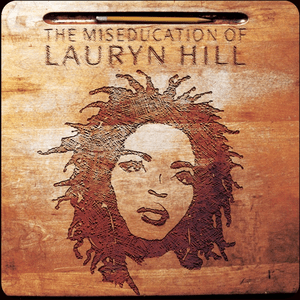
The Miseducation of Lauryn Hill was a juggernaut. First-week sales hit over 423,000, and it eventually sold more than 8 million copies in the U.S. and around 20 million worldwide. The singles were everywhere: “Doo Wop (That Thing)” debuted at #1, a super rare feat only achievable by a select few given the right mix of popularity, talent, and marketing muscle–three things she had an abundance of. “Ex-Factor” became an R&B classic, and “Everything Is Everything” proved she could merge soul with sharp bars.
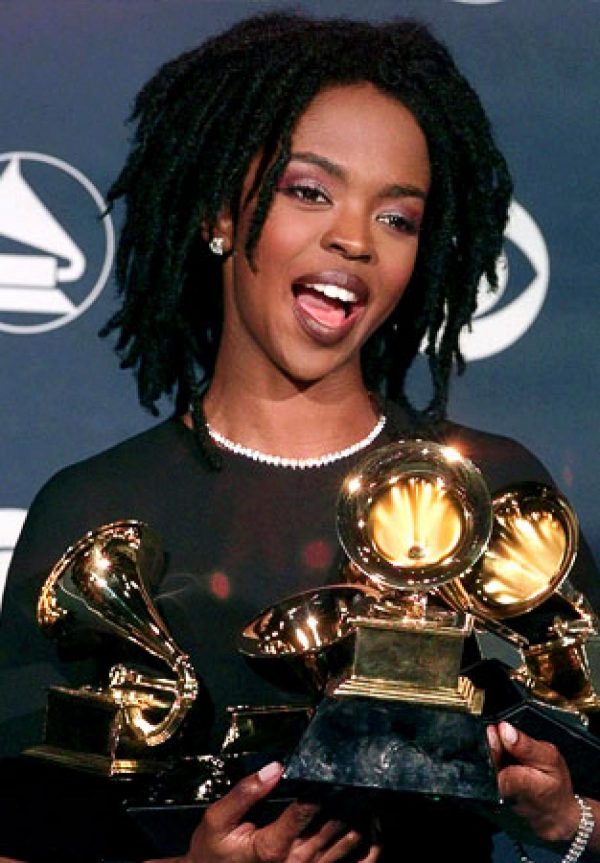
All of that success came full circle at the 1999 Grammys. Lauryn Hill made history as the first hip-hop artist to win Album of the Year. She walked away with five awards total that night, which at the time was a record for female artists. What most would consider the music industry’s most conservative and prestigious institution had crowned a young Black woman from New Jersey the biggest artist in the world.
With that accolade, she raised the bar for hip-hop, as it was now more than just booty-shaking radio topping club music, and more than gangstafied bang-bang ninja die slow music. The Miseducation of Lauryn Hill proved that hip-hop could deliver hits and still be an excellent piece of timeless art.
🛑 The Abrupt Retreat (1999–2001)
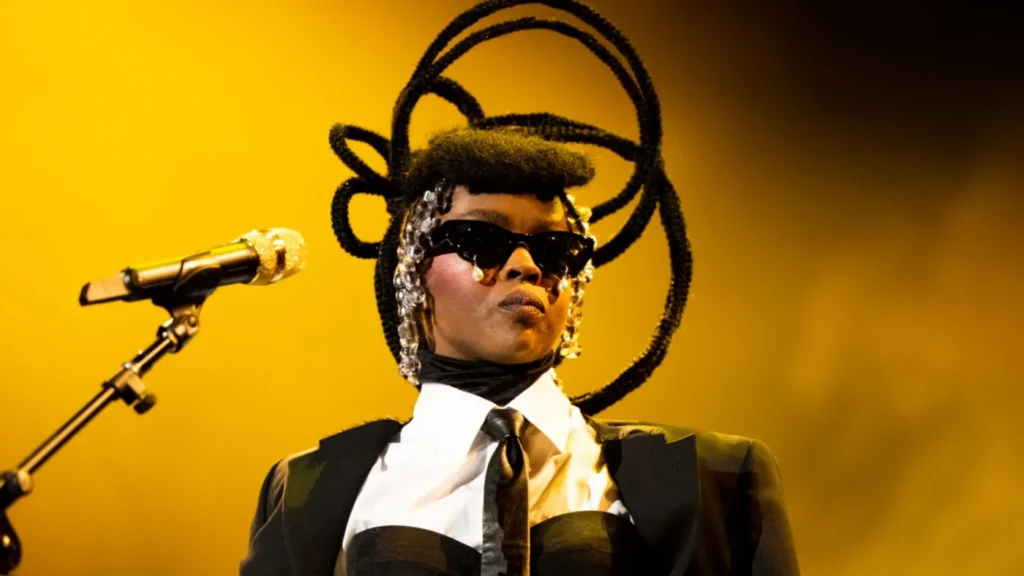
After Miseducation, we all knew the heat would be on for the next album the be “the bomb”. The world also eagerly waited for the next move. Usually, the machine would demand another album within two years, and in the late 90’s it wasn’t uncommon to see top hip-hop acts releasing 2 albums in the same year (a terrible trend worth its own future article). But Lauryn didn’t play that game, took an additional two years to grace us with her presence. She had good reason to step back a bit. With baby daddy drama, Fugees rumors, money concerns, and other gossip darts flying around, it makes sense that she kept her head low and started shying away from the spotlight.
🎸 The Raw Unplugged Moment (2002)
When she did come back on the scene in 2002, it wasn’t with some super-charged fiery Lost Ones part II to put some of the rumors to rest. Nor was it with a catchy, radio-owning hit single to size of Doo Wop. She returned with…MTV Unplugged No. 2.0.
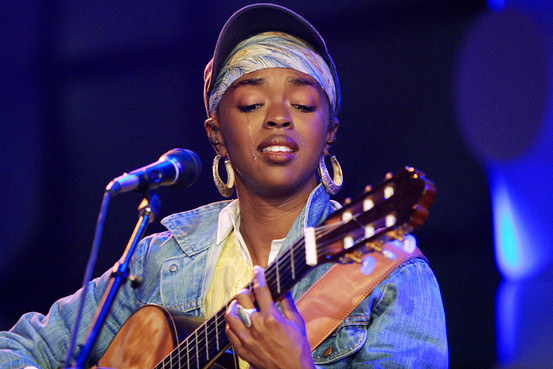
For those unfamiliar with what the MTV Unplugged series was, imagine a small night club with a rowdy crowd and a super-talented live band. No matter the music genre, the music was always played and sung live. A chunk of the performance was usually a live rehash of a current Rock or Pop album. of Sometimes we’d get an energetic live version of songs not usually done with a live band, like LL Cool J performing Mama Said Knock You Out. Other times, you’d have artists like Mariah Carey or Jodeci doing cover songs, putting their own unique, fresh spin on old R&B classics to generate some radio spins and keep their names on people’s minds (as well as the charts!) as they worked on new albums–a stop-gap of sorts.
But this was different. Lauryn’s Unplugged album featured none of that. All new songs, but nothing catchy. No glossy production, no radio-ready singles. Just Lauryn with a guitar and a crackly voice. She fumbled chords, vented through long stretches of spoken-word reflections (faith, disillusionment, other heartfelt topics based on her past several years) and overall under impressed the masses.
Hopeful fans and critics sung its praises, calling it “brave” and “raw”,. Honest fans and critics were bewildered and disappointed, noting how it felt like a rambling and unfinished mess. The music industry didn’t care much for it because it had sophomore slump written all over it (the album debuted at #3 with about 123,000 first-week sales but fell off quickly).
Little did we know that that was it–the party was over.
Lauryn never released another studio album after this. In fact, after this, all we ever got was a handful of scattered guest verses and rare singles. This wound up being on brand though,, as many instances of Lauryn either late-showing or no-showing concerts became the norm. Scarcity, randomness, and chaos all became as common to Lauryn Hill’s name as her accolades. She became less about new music and more about mystique.
🕳️ “Lost Ones” Became Lost Potential
The potential we lost with Lauryn Hill is what stings the most. She was so good that if I had to make a list of 100 “one-album wonders,” her name wouldn’t even crack the top 1,000. And yet, here we are — her debut stands far ahead of the pack as my first, and quite easy, choice for a One Album Wonder. .
I hate it here.
The Miseducation of Lauryn Hill proved she could sing, rap, write, and produce at a level most artists never touch in their whole careers. That was supposed to be the starting line, not the finish. Instead of a catalog that grew with her, instead of evolving alongside peers like Beyoncé, Jay-Z, or Nas, Lauryn’s story became one of retreat, rumors, missed opportunities, missed performances, and chaos.
Her influence still echoes through music today. For the younger generations, there’s a good chance Lauryn Hill is their favorite artist’s favorite artist. Kayne was able to sample (an interpolation) from her Unplugged train wreck and build a hit single (All Falls Down) which helped propel him to superstardom. So at least her influence has helped generate success in other artists. But influence isn’t the same as output. We don’t get the classic second album, the third album, the reinvention arc, the comeback era. We got one masterpiece, a raw and polarizing follow-up, and then decades of what-ifs.
Lauryn Hill should’ve been a generational giant with a body of work to match her talent. Instead, she’s the ultimate “what could have been” — proof that even the brightest stars can burn out before they ever reach their full brilliance.